Case Study: Transforming a Historic DC Townhouse


Introduction to the Transformation
Renovating a historic townhouse in Washington, D.C., presents a unique set of challenges and opportunities. The goal is to blend the charm of the past with modern living conveniences. This case study explores how a dedicated team of architects and designers achieved just that, breathing new life into an iconic structure.
Understanding the Historical Context
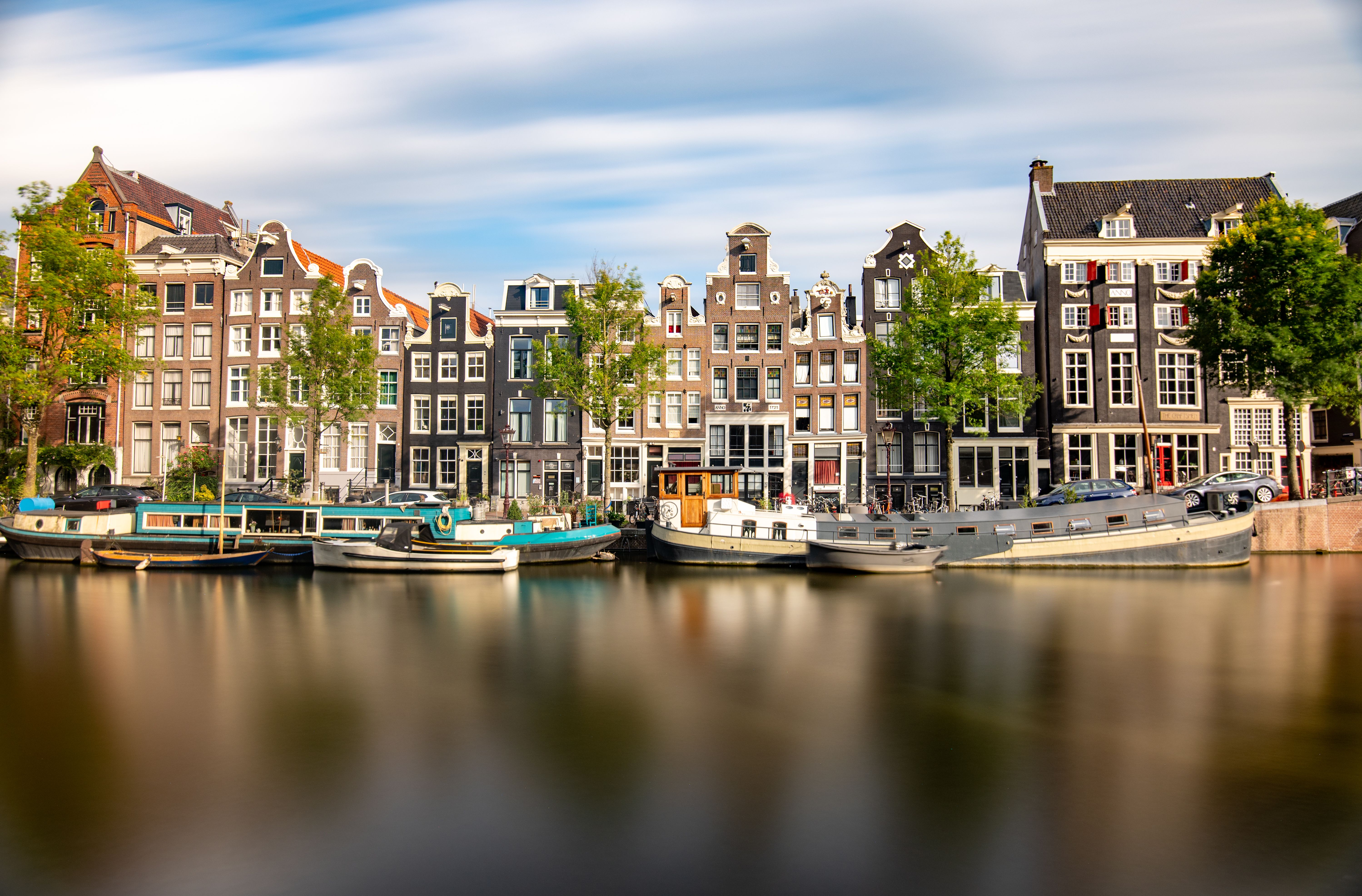
The townhouse, located in a historic district, was built in the late 19th century. Preserving its original features was crucial, not only for maintaining its aesthetic appeal but also for complying with local preservation regulations. The team conducted thorough research to understand the architectural nuances and historical significance of the building.
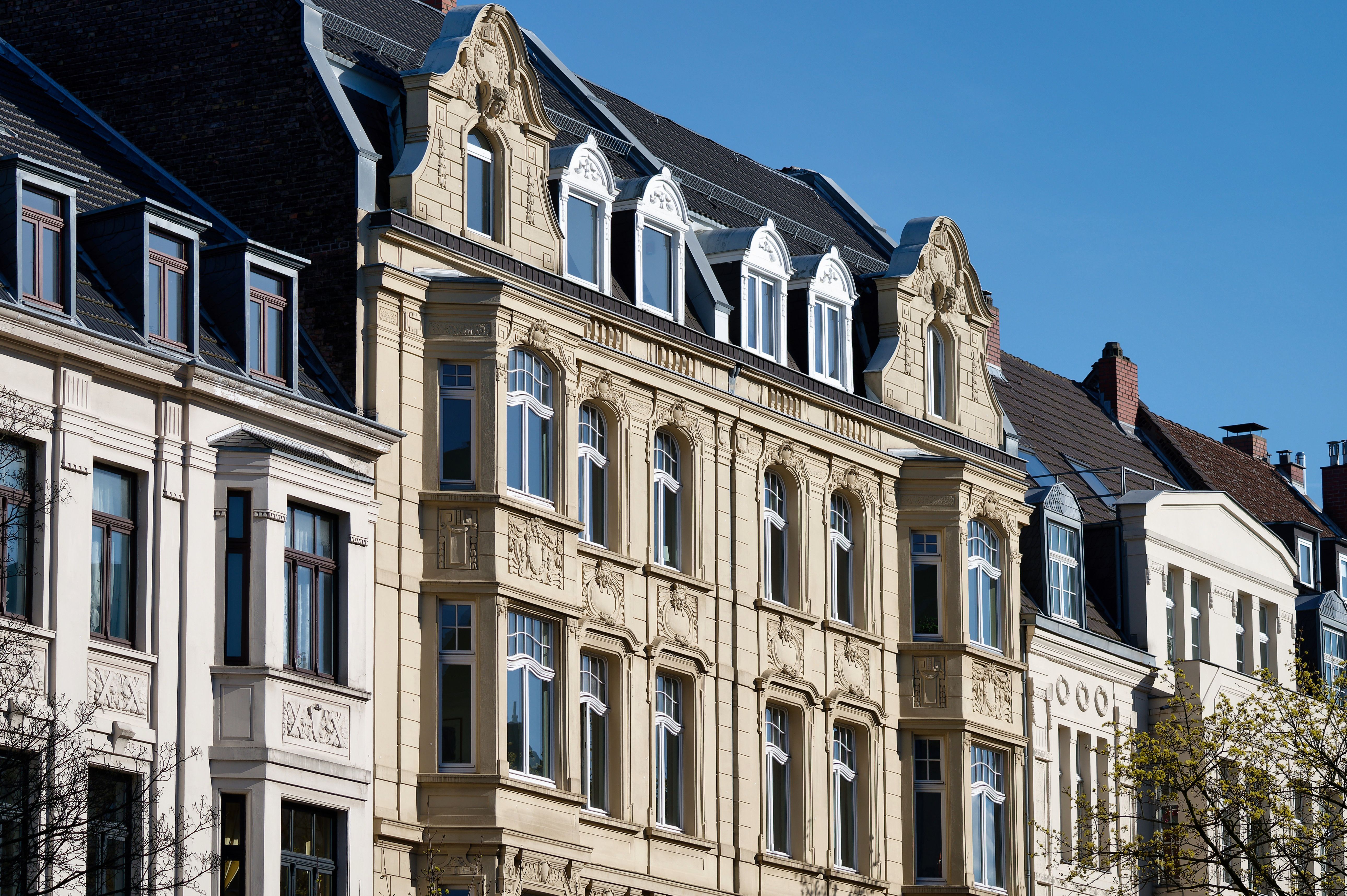
Key elements such as the original woodwork, masonry, and facade details were documented and analyzed. This helped ensure that any interventions were sensitive to the building's heritage.
Challenges Faced
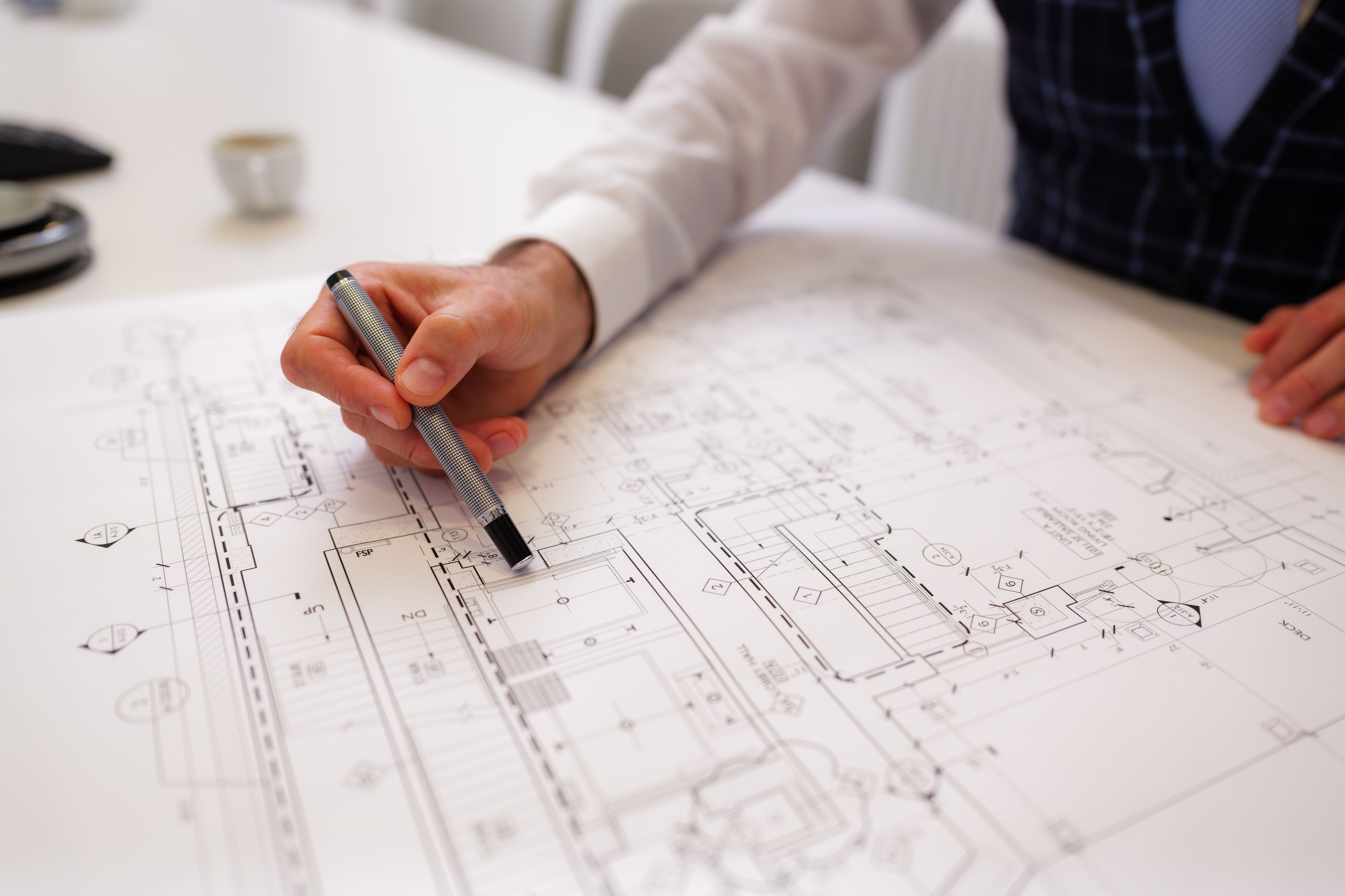
One of the main challenges was updating the building's infrastructure without compromising its historical integrity. This included modernizing the electrical and plumbing systems, which required careful planning to avoid damaging the original structure.
The Renovation Process
The renovation began with a structural assessment to address any stability issues. Following this, the team focused on restoring the exterior to its former glory. This involved meticulous cleaning and repair of the brickwork and restoring the original windows and doors.
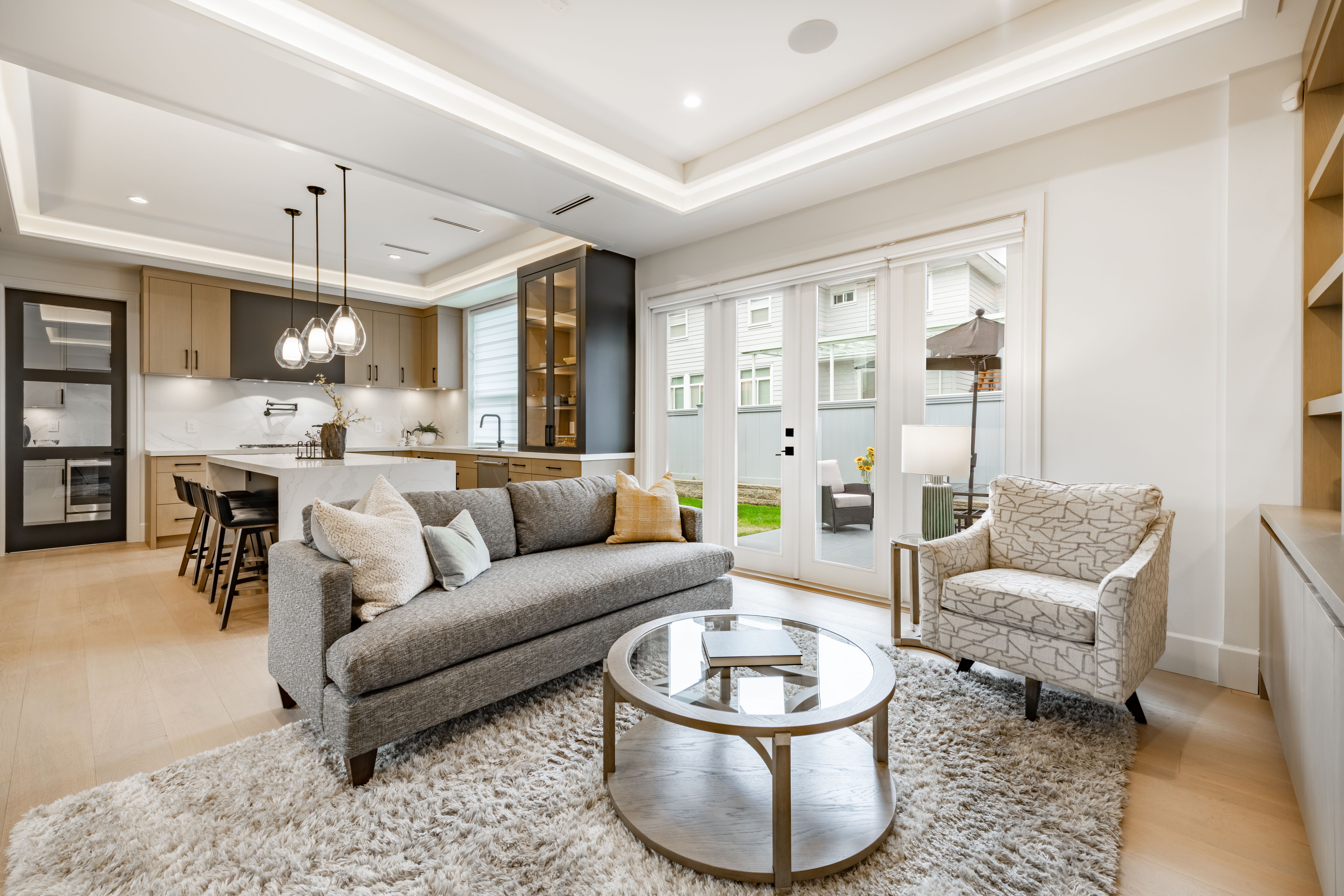
Inside, the layout was reimagined to suit contemporary living standards. Walls were adjusted to create open, airy spaces, while maintaining key historical features such as the ornate fireplaces and molding.
Innovative Solutions
To marry the old with the new, innovative solutions were employed. For instance, energy-efficient systems were installed discreetly to enhance sustainability without altering the building's appearance. Modern materials that mimic traditional ones were used to ensure harmony between the new and old elements.
Results and Impact
The transformation was nothing short of spectacular. The townhouse now offers all the comforts of modern living while retaining its historical charm. This balance has not only increased the property's value but also its desirability among potential buyers who appreciate the blend of history and innovation.
Moreover, the project has set a benchmark for similar renovations in the area, showcasing how historic properties can be adapted for modern use without losing their essence.
Community and Cultural Benefits
Beyond the building itself, the renovation has had a positive impact on the community. It has inspired other homeowners to invest in their properties, contributing to the neighborhood's revitalization. The project has also underscored the importance of preserving cultural heritage in urban development.
Conclusion
This case study highlights the potential of thoughtful renovation projects to transform historic properties into functional, beautiful homes. By respecting the past and embracing the future, the team behind this project has created a living space that honors its history while providing comfort and style for years to come.